South Africa’s minibus taxi sector is the backbone of popular transport. An estimated 200,000 to 300,000 minibus taxis make more than 15 million commuter trips a day and carry about 80% of public-transport worker trips. Annual turnover is estimated at R38 billion to R50 billion. Owners are organised into route associations under SANTACO and the NTA, while drivers work long hours against daily targets with limited labour protection.
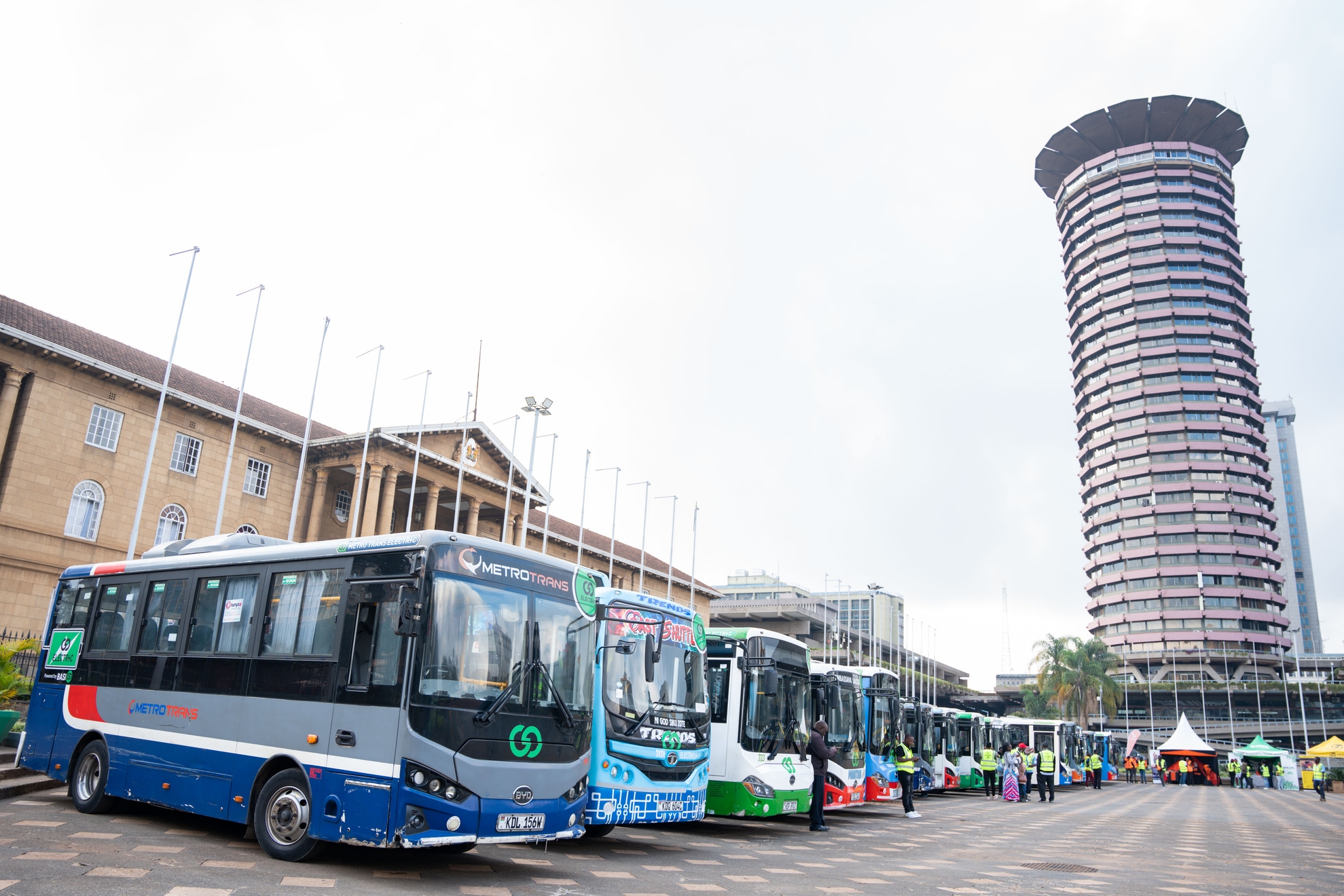
Electrification offers a way to cut operating costs, reduce air pollution and anchor local manufacturing. South Africa has assets other markets lack: minibus assembly at Toyota Durban and Nissan Rosslyn, an EV-specific Automotive Investment Scheme notice, and a 150% tax allowance for EV production under section 12V of the Income Tax Act. But no electric minibus taxi is yet in commercial service. The first, flxEV’s eKamva, soft-launched on routes near Century City in Cape Town in October 2026. Electric bus procurement by Golden Arrow and Johannesburg’s Metrobus is further along.
The cost of capital is the binding constraint
Once the 25% import duty and up to 30% ad valorem tax are applied, an imported electric minibus costs 1.4 to 2 times as much as a local diesel one. Taxi finance is priced at 20% to 27%, putting electric minibuses out of reach for most owners. Cape Town tracking data show that 61% to 89% of vehicle-days are viable with depot charging alone, and more than 90% with home charging. But home charging is often unsafe in informal housing.
The report argues that progress depends on two levers moving together. On the demand side, operators’ cost of capital must fall through risk pooling and pay-as-you-drive models. Dakar shows what is possible: jointly liable operator groups borrowed at 8% to 9% across three renewal phases between 2005 and 2016, with repayment rates of 91% to 99%. South Africa’s first comparable test, the PRS/DBSA fleet loan, is too recent to judge. On the supply side, the existing assembly base needs to be converted into domestic electric minibus production, supported by local-content thresholds, procurement channels and offtake commitments.
What the report recommends
- Link early-stage electric minibus production to existing assembly lines and pair the AIS-EV manufacturing subsidy with local-content thresholds and visible offtake.
- Pilot shared charging hubs in townships and at interchanges, using municipal land, grid upgrades and solar-aligned or time-of-use tariffs.
- Test alternative ownership and financing models, including battery leasing, pay-as-you-save and per-kilometre leasing through SANTACO-affiliated associations.
- Support pay-as-you-drive providers with a market assessment and concessional finance, drawing on the eKamva roll-out.
- Use the Atlantis Special Economic Zone as a demonstrator for component manufacturing, assembly and a pilot electric minibus fleet.
- Reclassify CKD and SKD EV imports to lower operator costs without undercutting local assembly, and condition any new operating subsidy toward electric or low-emission vehicles.
- Prioritise public-private partnerships and energy-service contracts for charging on municipal land, and invest in route-level and fleet-condition data with SANTACO and the provincial regulatory entities.
The study is part of a nine-country baseline series developed by the Global Network for Popular Transportation, a project of the Shared-Use Mobility Center, with support from the Drive Electric Campaign. It was written by Winnie Miranyi and Tom Courtright.