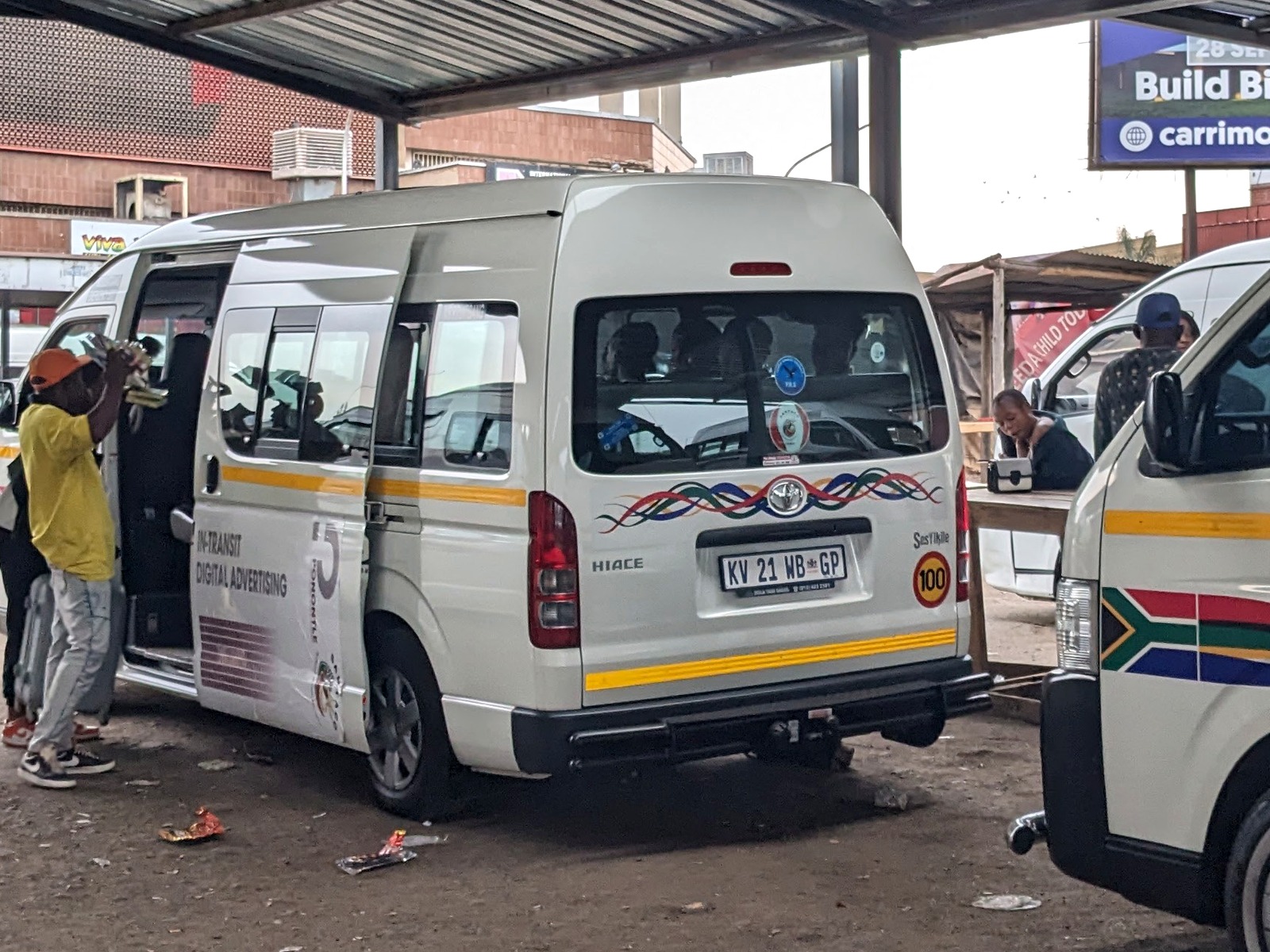
Kenya’s popular transport sector moves most urban passengers. It spans an estimated 70,000 matatus, 1.5 million boda bodas and 55,000 tuk-tuks, employs about 1.8 million people directly, and moves 70% to 80% of urban passengers. The boda boda subsector alone generates an estimated KES 660 billion a year. Transport contributes between 11% and 20% of national greenhouse gas emissions and 67% of energy-related CO2.
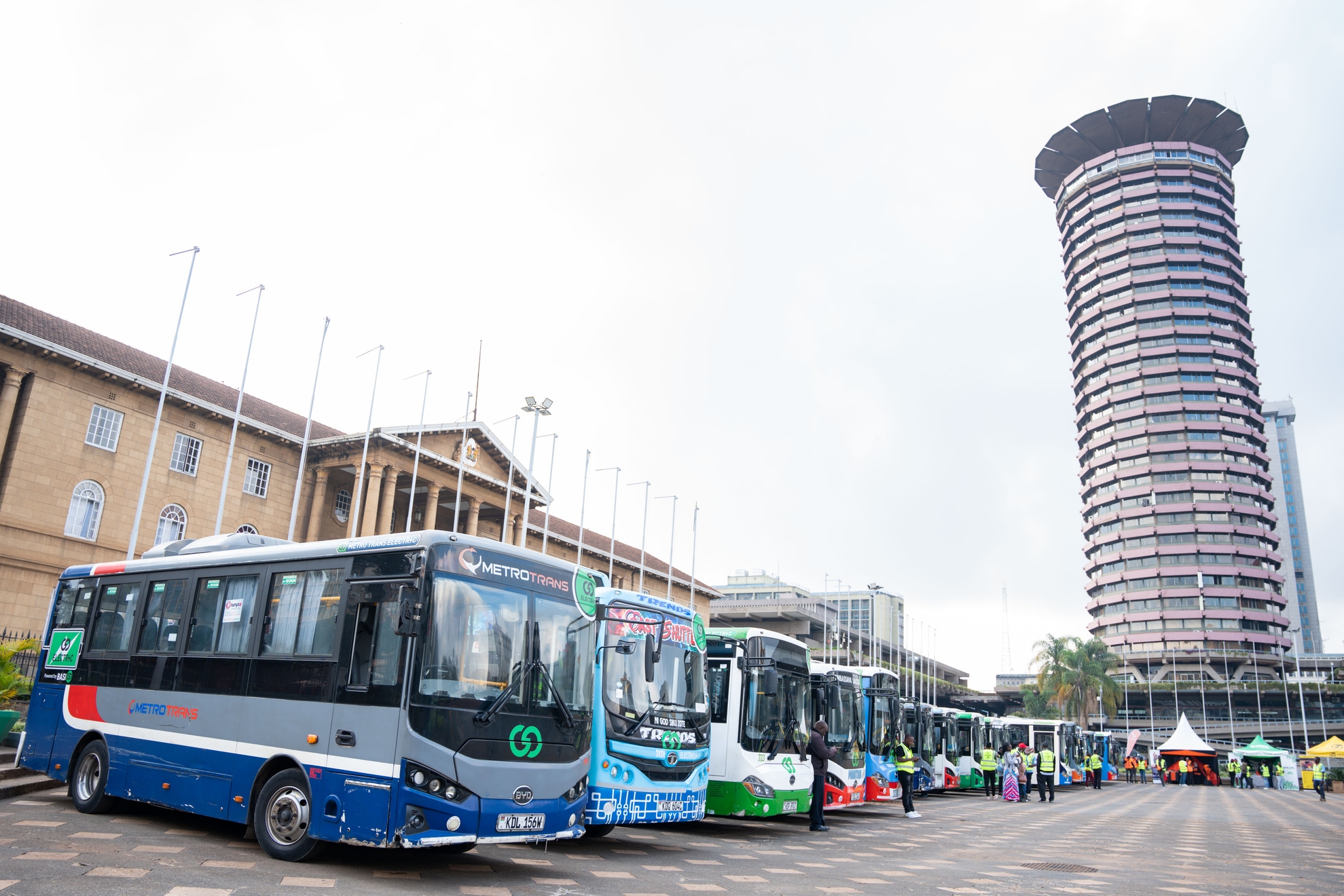
Electrification readiness is comparatively strong. About 81% of Kenya’s electricity generation capacity is renewable, and the utility operates a dedicated e-mobility tariff of KES 16 per kWh at peak and KES 8 per kWh off-peak. Cumulative EV registrations rose from 1,378 in 2022 to 39,324 by 2025, a 2,700% increase driven overwhelmingly by boda bodas. Electric two-wheelers represent 94% of registered EVs. By March 2026, Kenya had registered 168 electric buses and 1,600 electric tuk-tuks. The National Electric Mobility Policy, launched in February 2026, includes measures for vehicles used in popular transport.
The transition is two-wheeler led
Boda bodas have transitioned fastest because of their high daily use, small vehicle size and compatibility with battery-swap financing. Buses and tuk-tuks have advanced more slowly, constrained by limited private-sector vehicle supply and unresolved fleet-financing structures. The report identifies SACCOs as the institutional channel through which fleet-scale electrification can most plausibly be delivered, but notes that most SACCOs face capital shortages and weak governance.
Barriers to scale
Electric vehicles carry a roughly 50% upfront cost premium over internal combustion equivalents when the battery is included. Fewer than 200 public charging stations exist nationwide, and inter-city swap coverage is limited. The EAC 35% import duty on electric buses persists, most boda boda riders lack access to formal credit, and data on fleet size, utilisation and emissions remain fragmented. Gender inclusion is also a concern: women represent under 3% of boda boda riders and are largely absent from SACCO leadership.
What the report recommends
- Operationalise the National Electric Mobility Policy with binding sub-targets for two- and three-wheelers and a quota for SACCO-owned electric matatus on at least two BRT corridors.
- Require Kenya Power to publish a quarterly public map of charging and swap sites, and EPRA to display charging and swapping prices.
- Resolve the EAC 35% import duty anomaly for electric buses and minibuses through a dedicated line item, separate from existing VAT and excise incentives.
- Remove the 15,000 kWh per month cap on the preferential e-mobility tariff, which fleet operators regularly hit.
- Require PSV SACCOs to adopt and enforce sexual harassment policies as a condition of NTSA licence renewal, and integrate gender-disaggregated workforce data into annual SACCO reporting.
- Reinstate and enforce the Michuki Rules with EV-specific inspection for battery health and electrical safety.
- In the medium term, establish a SACCO-led battery-as-a-service facility backed by development finance institutions, support transformer financing, build a national EV data registry, formalise employer-worker relationships in PSV SACCOs, and deliver NaMATA’s BRT corridors with 100% electric buses.
- In the long term, target 100% electric new PSV matatus and boda bodas by 2030 to 2032, scale county transport authorities, and develop domestic battery recycling.
The study is part of a nine-country baseline series developed by the Global Network for Popular Transportation, a project of the Shared-Use Mobility Center, with support from the Drive Electric Campaign. It was written by Winnie Miranyi and Tom Courtright.